













Shop Jamin Leather® Skirts
Table of Contents
- How do you layer motorcycle gear for cold weather?
- Winter motorcycle base layers that manage sweat
- What to wear under a motorcycle jacket in winter
- Cold weather motorcycle gloves and boots
- Winter motorcycle gear for women
- Fit, armor placement, and crash protection when adding layers
- Layering for different riding conditions and temperatures
- Leather care for cold-weather riding
- Frequently Asked Questions
Last Updated: November 26, 2026
How do you layer motorcycle gear for cold weather?
Knowing how to layer motorcycle gear for cold weather means wearing three functional layers: a moisture-wicking base layer against your skin, an insulating mid-layer, and a windproof, weather-resistant outer layer. Each layer does one job: trap warmth, move sweat away, and block the wind that drains body heat at speed. This guide covers each layer, plus gloves, boots, fit, and leather care.
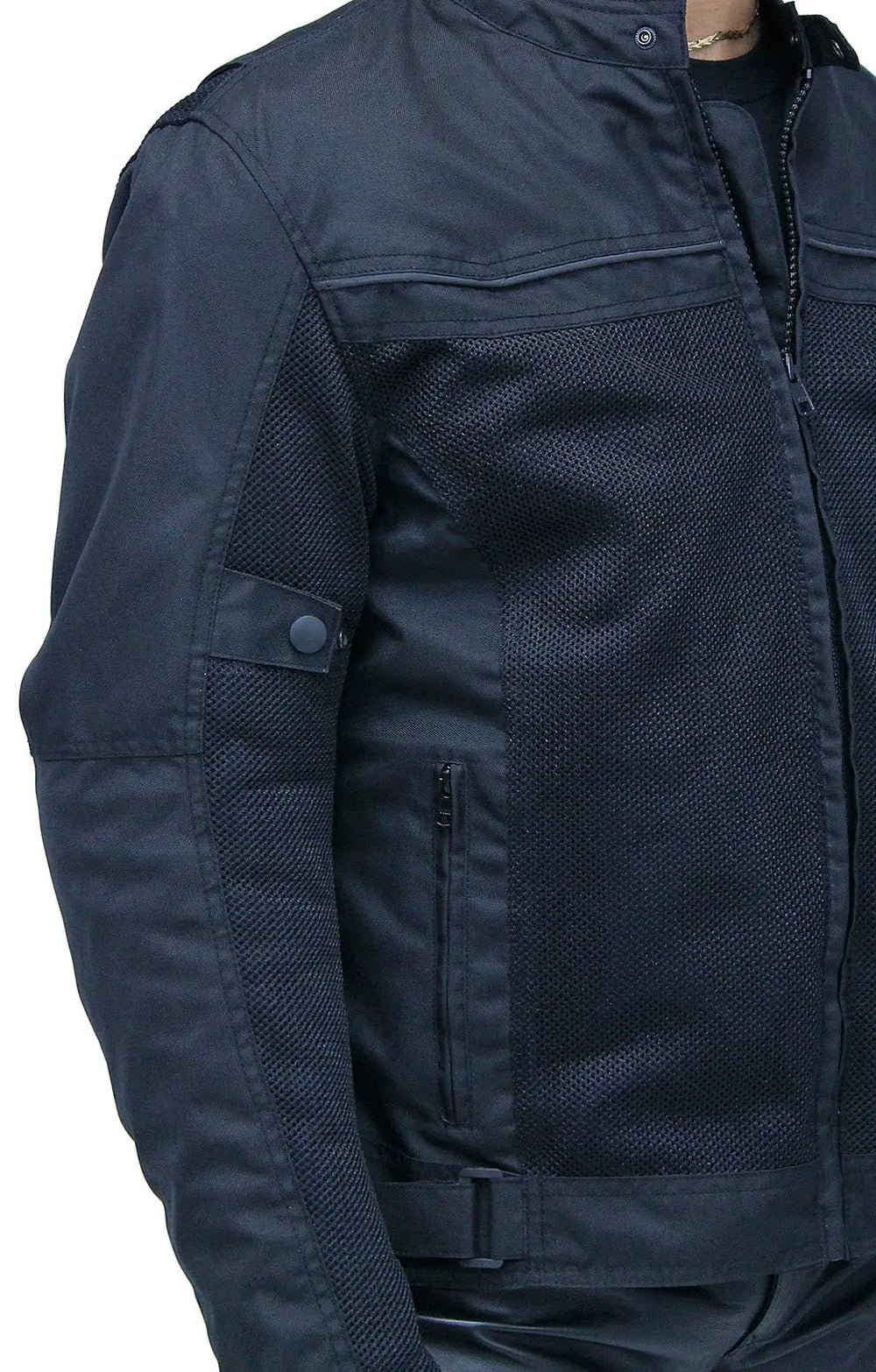
Cold air at highway speed pulls heat off exposed skin fast. Riders in one heavy jacket often sweat on the move and freeze at every stop. A layered system lets you add or remove pieces as conditions change.
The three-layer system: base, mid, and outer
The base layer sits against your skin. Its job is sweat management, not warmth.
The mid-layer traps body heat. Fleece, wool, or a quilted liner works here. This is the layer you remove when the afternoon warms up.
The outer layer blocks wind and sheds rain. On a bike, wind is the biggest thief of warmth, so a windproof shell matters more than thickness.
Why layering beats one heavy jacket
A single heavy jacket cannot adapt. Ride at speed and you overheat; stop for fuel and the cold cuts through once you cool down. Layers fix that because you control them.
- Add a mid-layer for the morning ride
- Remove it at midday and keep the shell on
- Swap the base layer if it gets damp
The result is steadier core temperature and less fatigue over a long day in the saddle.
Winter motorcycle base layers that manage sweat
Winter motorcycle base layers should wick moisture and fit close to the body without binding. Cotton is the wrong choice: it holds sweat against your skin, and wet fabric pulls heat away fast once you slow down.
Look for synthetic or merino wool base layers. Both move moisture outward and dry quickly. A thin pair of base-layer bottoms under riding pants makes a noticeable difference on long cold rides.
Best fabrics for cold-weather riding
- Merino wool: warm when damp, low odor, soft against skin
- Polyester blends: fast-drying, budget-friendly, good for active riding
- Fleece-backed synthetics: warmer for very cold mornings
Fit matters as much as fabric. A loose base layer bunches under gear and creates pressure points. A tight one restricts movement. Aim for a snug but comfortable fit that stays smooth under your jacket.
What to wear under a motorcycle jacket in winter
What you wear under a motorcycle jacket in winter comes down to two layers: a wicking base and an insulating mid. The jacket itself is the outer shell. That combination covers most cold-weather riding without bulk.
Mid-layers that insulate without bulk
Bulky mid-layers fight your jacket’s fit and limit mobility. A fleece pullover, quilted vest, or heated liner adds warmth without pushing your jacket out of shape.
The outer layer: windproof and waterproof protection
The outer layer takes the brunt. Windproofing is the priority on a bike, because wind chill does most of the damage. Water resistance matters for rain and road spray.
Leather is another option for the outer layer. Check the specific product page for whether armor is included, since features vary by jacket.
Cold weather motorcycle gloves and boots
Cold weather motorcycle gloves and boots should be insulated, windproof, and water-resistant. Extremities get cold first on a bike, and numb hands or feet are a real safety issue.
Keeping hands and feet warm on the bike
Hands take the worst of the wind. Gauntlet-style gloves with an extended cuff can help keep wind from running up your sleeve.
For feet, choose riding boots that fit without restricting circulation, and add thermal socks as another layer.
Winter motorcycle gear for women
Winter motorcycle gear for women follows the same three-layer logic, but fit changes the details. Women’s jackets and pants are cut differently, and armor placement has to match the body.
Start with a women’s base layer that fits close without pressure. Add a mid-layer sized for your jacket, not a men’s cut.
Check each product’s size chart, since sizing varies by brand and style.
Fit, armor placement, and crash protection when adding layers
Adding layers changes how your gear fits, and that affects protection. A jacket that fit well over a t-shirt may bind at the shoulders once you add a mid-layer. Tight gear restricts movement, and loose gear can let armor shift out of place in a fall.
How bulk moves armor out of position
Armor works best when it stays over the body part it is meant to cover. Add a bulky mid-layer and the shell sits farther from your body, so armor can ride up, rotate, or gap away from the shoulder, elbow, or back.
The fix is to size the outer layer for the layers you actually wear, not for a t-shirt.
Checking fit on the bike, not just in the mirror
A mirror check is not enough. Sit on the bike in your riding position, hands on the bars, feet on the pegs, and run through these points:
- Shoulders and elbows: armor should stay put when you move and reach for the controls.
- Sleeve length: cuffs should not ride up when you reach for the bars, and the gauntlet should overlap your glove cuff.
- Waist and hips: pants should not gap when you sit on the bike, and the waist should not dig in when you lean forward.
Watch out: a jacket that feels fine standing up can bind across the shoulders in the riding position, so always test fit on the bike before committing to a long ride.
Layering without compromising protection
Not every jacket includes armor, and armor placement differs by product. Do not assume a jacket has protective features just because it is marketed as motorcycle gear; read the specific product information before you buy.
A few practical rules keep layering from working against you:
- Keep the mid-layer thin and close-fitting so it does not push the shell away from your body.
- Avoid stacking multiple bulky layers under a jacket that was sized for one.
- If you add leather riding pants over base layers, confirm the fit leaves room to move without pulling the knee armor out of position.
If you are between sizes or unsure how a specific jacket fits over layers, check the product’s size chart and fit notes, or contact the seller for guidance on that item.
Layering for different riding conditions and temperatures
The right layer count changes with the ride, and how to layer motorcycle gear for cold weather depends most on air temperature and how long you will be exposed to wind at speed. A short city commute needs less than a multi-hour highway run. Build your system around the conditions, not a fixed formula.
Temperature-based layering examples
Use these combinations as starting points, then adjust for your cold tolerance, your bike’s wind protection, and whether you run heated gear. They assume a windproof outer layer.
- Mild and dry (roughly 60°F and up): a thin wicking base layer plus a vented jacket. Open the vents when you warm up and close them when the wind picks up.
- Cool mornings (roughly 45-60°F): base layer, a light fleece or quilted vest as the mid-layer, and a windproof shell. Carry the mid-layer in a tank bag or saddlebag so you can shed it at midday.
- Near or below freezing: full three layers, insulated and water-resistant gloves and boots, thermal socks, and face and neck coverage. This is where heated gloves or a heated liner earn their place.
These ranges are a framework, not a rule. A rider behind a full fairing stays warmer than one on a naked bike at the same air temperature, and a 20-minute commute is a different exposure than a three-hour tour.
Commuting versus touring, and stop-and-go traffic
A commute is short but repetitive: you suit up cold, warm up in traffic, then stop and cool down again.
Touring and long highway runs are the opposite problem: constant wind for hours, so wind chill accumulates.
Changing elevation matters too. A morning climb into cooler air or a descent into a valley can swing the temperature enough to matter.
Wind chill and exposure planning
Wind chill is the real enemy on a bike.
Plan for it by covering exposed skin at the neck, face, and wrists, since those gaps let cold air in no matter how warm your core is.
Watch out: layering for the air temperature alone and ignoring speed and ride length is the most common way riders end up underdressed on the highway and overdressed in traffic.
Heated gear and electrical setup
Heated gear is a general option for adding warmth without bulk. Setups vary by product and by bike.
Before adding any heated accessory, check your bike’s charging capacity and accessory load limits in your owner’s manual.
Follow the manufacturer’s instructions for any heated accessory you use.
Use these temperature-based combinations as starting points, assuming a windproof outer layer.
| Conditions | Rough temperature | What to wear |
|---|---|---|
| Mild and dry | Roughly 60°F and up | Thin wicking base layer plus a vented jacket |
| Cool mornings | Roughly 45-60°F | Base layer, light fleece or quilted vest, windproof shell |
| Cold | Roughly 35-45°F | Base layer, warmer mid-layer, windproof shell, neck gaiter, insulated gloves |
| Near or below freezing | Near or below freezing | Full three layers, insulated gloves and boots, thermal socks, face and neck coverage |
| Rain at any temperature | Any temperature | Add water-resistant outer layer and waterproof gloves |
Leather care for cold-weather riding
Cold weather is hard on leather. Road salt, moisture, and temperature swings dry it out and can lead to cracking over time.
- Wipe off road salt and grime after rides
- Let wet leather dry at room temperature, away from direct heat
- Condition leather before and after the cold season
Never dry leather on a radiator or with a hair dryer. Heat pulls out the natural oils and speeds up cracking.
Cold-weather riding rewards preparation. The riders who stay comfortable are the ones who build a real layering system and check how each piece fits together before the first cold morning.
Frequently Asked Questions
What is the three-layer rule for winter motorcycle riding?
The three-layer rule means wearing a moisture-wicking base layer against your skin, an insulating mid-layer over it, and a windproof and waterproof outer layer. Each layer has a job: the base moves sweat away, the mid traps heat, and the outer blocks wind and rain. You add or remove layers as conditions change, which keeps you comfortable without overheating. For cold weather riding, this system works better than one heavy jacket because you can adapt it through the day.
What is the best base layer for motorcycle riding in cold weather?
Look for a base layer made from moisture-wicking synthetic fabric or merino wool. Cotton holds sweat against your skin and gets cold, so avoid it for winter motorcycle base layers. A thin, snug-fitting top and bottom move moisture away and let the mid-layer do the insulating. If you ride in very low temperatures, a midweight base layer adds warmth without bulk. Always check the product listing for fabric content and fit before you buy.
How do you keep your hands and feet warm while riding a motorcycle?
Start with cold weather motorcycle gloves that have a windproof outer shell and a warm lining, and check the size chart because gloves that are too tight cut off circulation. For feet, wear thermal socks and boots that block wind, and avoid cotton socks. Heated gloves and heated grips can help on longer rides. If your hands or feet get numb, stop and warm up rather than pushing through, since cold hands affect control.
Can you wear leather motorcycle gear in cold weather?
Yes, leather works well as an outer layer in cold weather because it blocks wind. The key is to wear a moisture-wicking base layer and an insulating mid-layer underneath, since leather alone does not provide warmth. A leather jacket that fits well lets you add layers without restricting movement. Check that the jacket has room for a mid-layer and that any armor stays in place. Our Unisex Premium Leather Motorcycle Overpants (#MP506, $149.99) are made from premium buffalo leather and can be worn over jeans.