













Quick Summary
Leather jackets are made from several types of animal hides, including cowhide, lambskin, and goatskin. Each can be processed and finished in different ways, creating variations in texture, appearance, thickness, and flexibility.
- Cowhide: Leather made from cattle hides, used in a wide range of clothing and other leather products.
- Lambskin: Leather made from young sheep, often selected for clothing with a soft feel and flexible construction.
- Goatskin: Leather made from goat hides, offering another option with its own natural surface characteristics.
- Processing Matters: Tanning, thickness, and finishing techniques influence the characteristics of the finished leather.
- Compare Individual Jackets: Look at the material description, construction, and product details rather than assuming every jacket made from the same type of hide will feel or perform identically.
Table of Contents
- How Leather Types Differ in Jackets
- Cowhide Leather Jackets: What to Know
- Lambskin Leather Jackets: What to Know
- Goatskin Leather Jackets: What to Know
- How to Compare Leather Jackets Before Buying
- Understanding the Different Types of Jacket Leather
- Frequently Asked Questions
- Sources and Further Reading
How Leather Types Differ in Jackets
The types of leather used in jackets include cowhide, lambskin, and goatskin. These names identify the animal the leather comes from, but they don’t tell the whole story about how a finished jacket will look or feel.
Leather goes through several manufacturing stages, including tanning and finishing. During processing, manufacturers can create different textures, colors, and surface appearances. The leather’s thickness and construction also influence the finished garment.
That’s why two jackets made from the same animal hide can have noticeably different characteristics. Rather than assuming one leather type is automatically better than another, it’s helpful to compare the materials and construction of individual jackets.
The following sections explore cowhide, lambskin, and goatskin, along with what shoppers should consider when comparing leather jackets.
Cowhide Leather Jackets: What to Know
Cowhide leather comes from cattle and is used to make many types of leather garments, including jackets and coats. Its finished appearance and feel depend on factors such as thickness, tanning, and surface finishing.
Some cowhide jackets have a firm, structured appearance, while others are made with softer, more flexible leather. The animal hide alone doesn’t determine how a jacket will feel or perform.
When comparing cowhide jackets, look at the product’s material description, construction, lining, and design details. These can help you understand what you’re purchasing without assuming every cowhide jacket has the same characteristics.
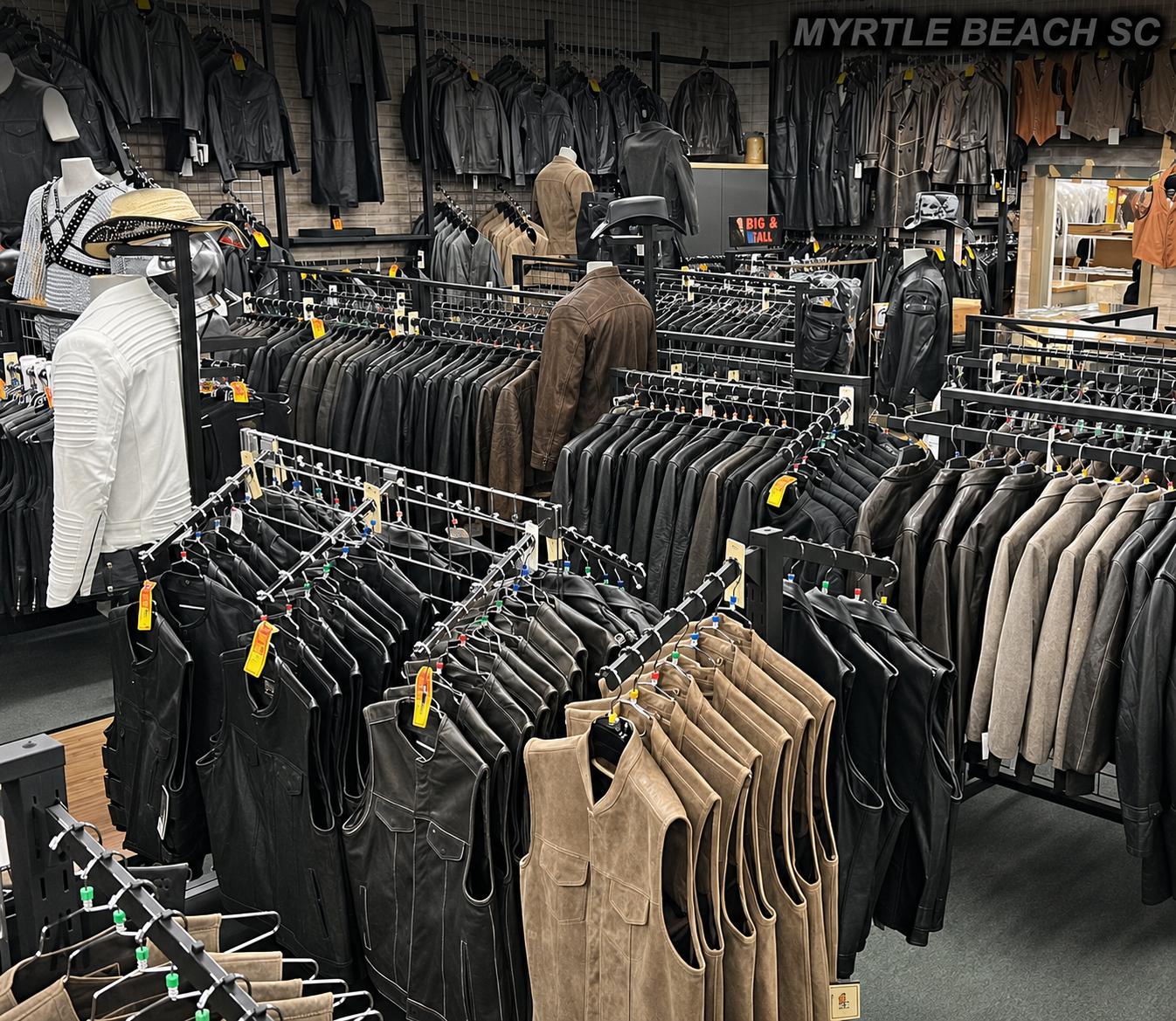
Lambskin Leather Jackets: What to Know
Lambskin leather is associated with sheep or lamb hides and is used in leather clothing, including jackets. The term can also be used commercially for certain sheepskin leathers.
Lambskin is often chosen for garments designed with a smooth appearance and flexible feel. However, the texture, thickness, and flexibility of a finished jacket depend on how the leather has been processed.
When shopping for a lambskin jacket, consider its overall design, lining, construction, and the material information provided in the product listing. Rather than assuming every lambskin jacket has the same softness or weight, compare the individual garments to find one that suits your preferences.
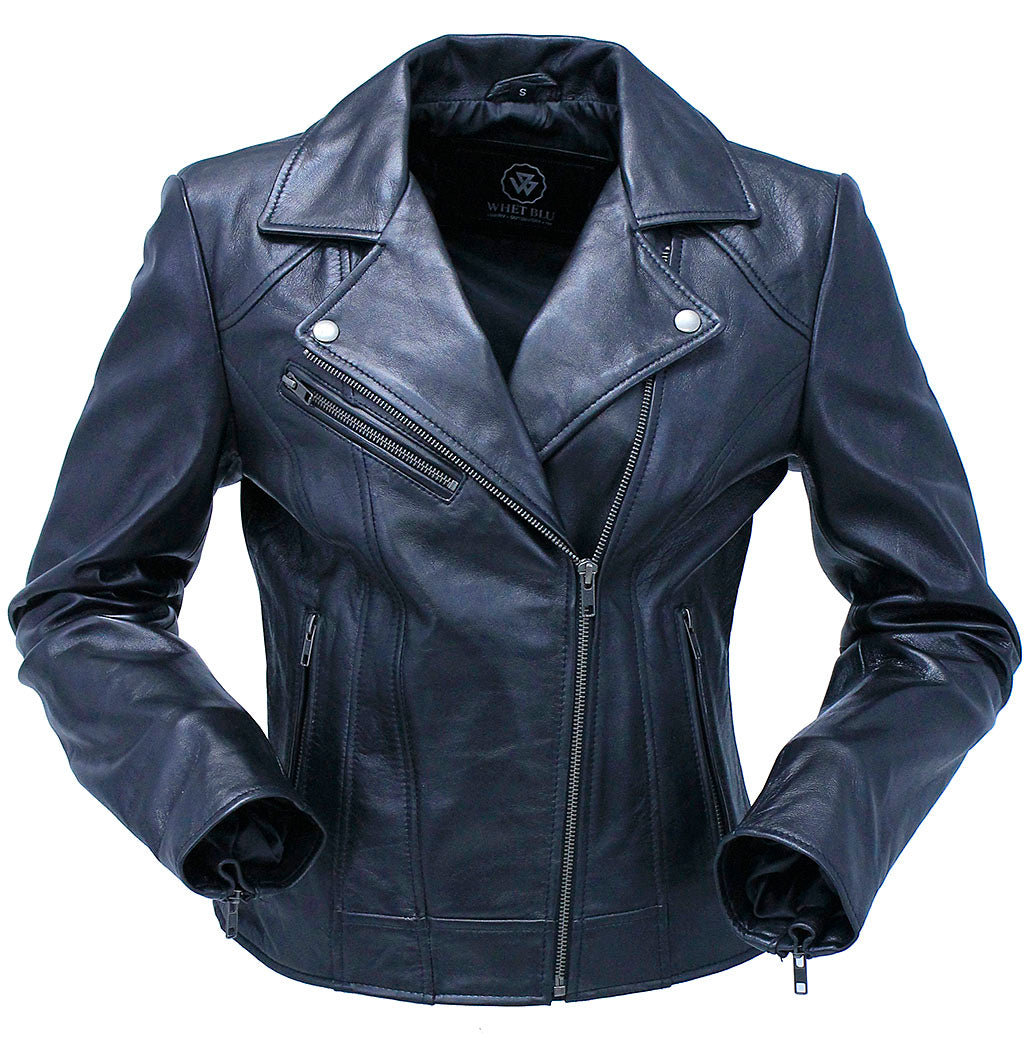
Goatskin Leather Jackets: What to Know
Goatskin is another animal hide used in leather clothing, including jackets. Like cowhide and lambskin, it can be processed and finished in different ways to create a range of textures and appearances.
A goatskin jacket may look or feel different from another goatskin jacket depending on the leather’s thickness, finish, and garment construction. The material name alone doesn’t tell you how soft, flexible, or durable the finished product will be.
When comparing goatskin jackets, review the product description and construction details rather than relying on general assumptions about the material.
How to Compare Leather Jackets Before Buying
When shopping for a leather jacket, it’s helpful to look beyond the animal hide listed in the product description. Consider these details before making your decision.
Leather Type: Check whether the jacket is made from cowhide, lambskin, goatskin, or another material. Remember that jackets made from the same hide type can have different finishes and characteristics.
Leather Finish: Look for details about the surface appearance, such as smooth, matte, distressed, or textured finishes. These describe how the leather looks rather than guaranteeing a particular level of quality.
Construction: Examine the jacket’s stitching, lining, closures, pockets, and other design features. Product photographs and descriptions can help you compare these details.
Fit and Intended Use: Consider the jacket’s cut, length, and how you plan to wear it. A fitted fashion jacket and a longer leather coat may suit different wardrobe needs.
When possible, review the manufacturer’s product information and ask questions about details that aren’t clearly listed. A thoughtful comparison of individual jackets is more useful than relying on broad claims about which leather type is best.
Understanding the Different Types of Jacket Leather
Cowhide, lambskin, and goatskin are all used to make leather jackets, but the animal hide is only one part of what determines a finished garment’s characteristics. Thickness, tanning, finishing, and construction also influence how a jacket looks and feels.
When choosing a leather jacket, consider the material information, design, and features of the individual garment rather than relying on general comparisons between leather types.
Explore the leather jackets available at Jamin Leather® to find a style that suits your wardrobe and personal preferences.
Frequently Asked Questions
What types of leather are used to make jackets?
Leather jackets can be made from several animal hides, including cowhide, lambskin, sheepskin, and goatskin. The finished material’s appearance and characteristics depend on factors such as thickness, tanning, and finishing.
Is cowhide leather better than lambskin for jackets?
Neither material is automatically better for every jacket. Cowhide and lambskin come from different animal sources, but the finished garment’s characteristics also depend on processing and construction. Compare individual jackets based on their material descriptions, features, and intended use.
Does the type of leather determine how long a jacket will last?
The animal hide alone cannot establish a jacket’s lifespan. Construction, processing, use, and maintenance can all influence its condition over time. Avoid relying on a specific lifespan estimate unless there is reliable evidence supporting it.
Sources and Further Reading
The following references provide additional information about animal hides, leather manufacturing, finishing processes, and material testing.
- U.S. Environmental Protection Agency (EPA) — Guidance Manual for Leather Tanning and Finishing Pretreatment Standards. Explains animal hides used in leather manufacturing, including cattle, sheep, and goats, along with the basic tanning and finishing processes.
https://www.epa.gov/system/files/documents/2021-07/owm0405.pdf
- Leather Working Group — Get to Know How Modern Leather Is Made. Explains how tanning, thickness adjustments, dyeing, and finishing contribute to the characteristics of finished leather.
https://www.leatherworkinggroup.com/learn-more/features/get-to-know-how-modern-leather-is-made/
- ASTM International — Standard Test Method for Slit Tear Resistance of Leather (ASTM D2212). Describes a standardized method for evaluating leather’s resistance to tearing and explains factors that affect test results.
These resources provide general technical information about leather. They do not establish the performance, durability, or lifespan of any individual Jamin Leather® jacket.